Simple Orientation to Your Pelvis
Christine Morgan | JUL 5, 2024
pelvic floor
pelvic organs
pelvic muscles
pelvic bones
pelvic connection
pelvic patients
Christine Morgan | JUL 5, 2024

The pelvic region is an important part of the body that houses a complex system of bones, organs, and muscles. Understanding the anatomy of this area can help to prevent injuries and promote overall health and well-being.
Bones of the Pelvis
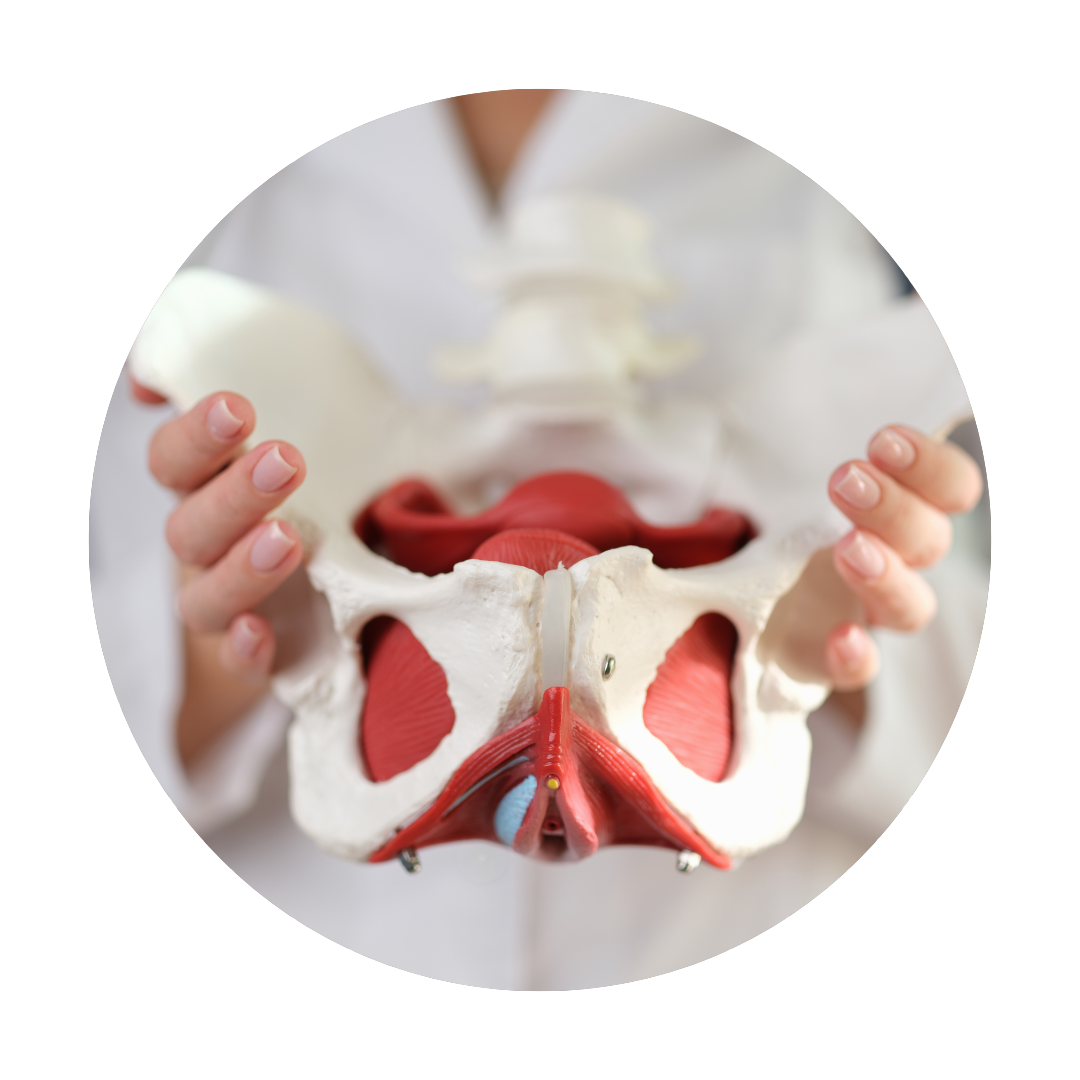
The pelvic bones consist of the pubic symphysis, coccyx, and sit bones. The pubic symphysis is where the two halves of the pelvis meet at the front of the body. The coccyx, also known as the tailbone, is a small bone at the base of the spine. The sit bones, or ischial tuberosities, are the bones that we actually sit on.
Organs of the Pelvis
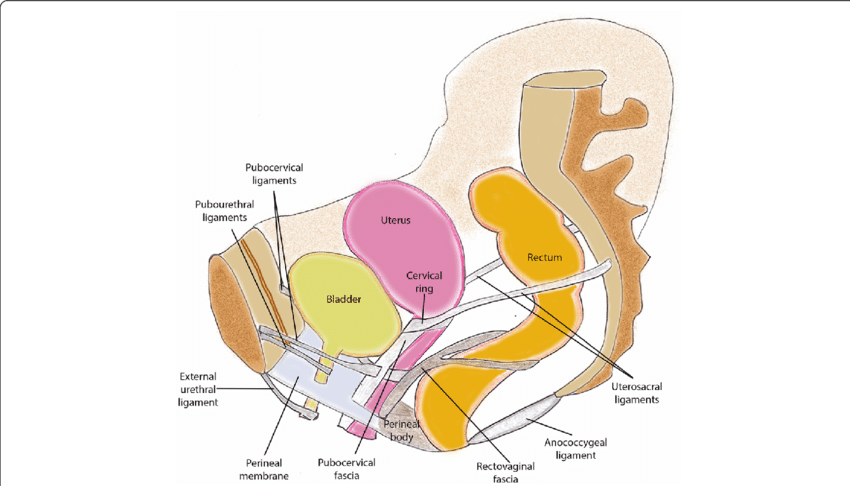
Within the pelvic cavity, there are several important organs including the bladder, uterus, and rectum. The bladder is responsible for storing urine, the uterus is where a baby grows during pregnancy, and the rectum is where waste is stored before being expelled from the body.
Muscles of the Pelvis
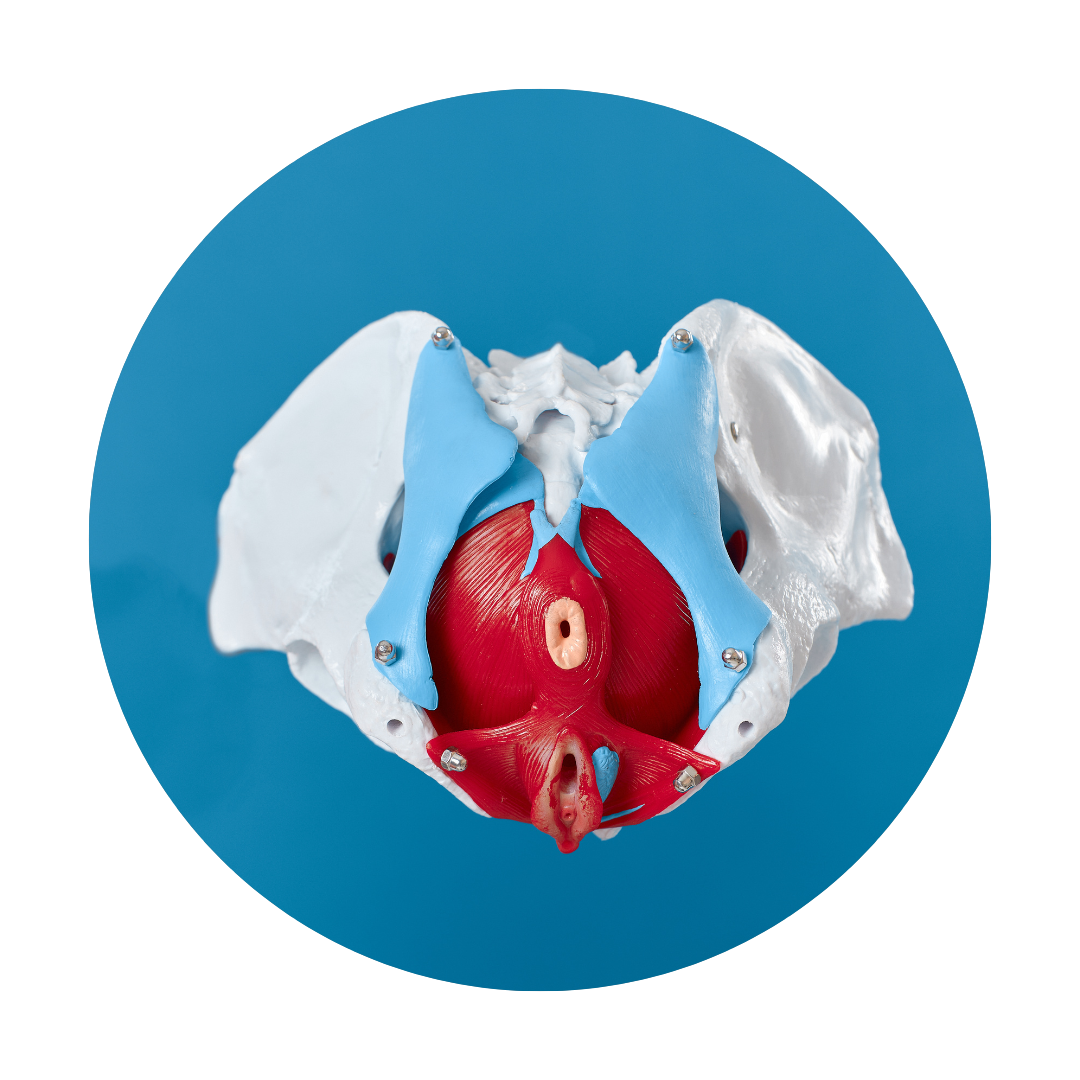
Surrounding these organs are three layers of muscles that provide support and control to the pelvic region. The first layer consists of the genitals, including the pelvic floor muscles that help with sexual function and bladder control. The second layer includes the sphincter muscles, which control the opening and closing of the bladder and rectum. The third layer is a deep layer of muscles that provide stability to the pelvis and support the pelvic organs.
Maintaining strength and flexibility in these muscles is important for overall pelvic health. Regular exercise, such as kegel exercises, can help to strengthen the pelvic floor muscles and prevent issues such as incontinence or prolapse. It's also important to maintain good posture and body mechanics to prevent strain on the pelvic bones and muscles. By understanding the anatomy of the pelvic region and taking steps to care for it properly, you can support overall health and wellness. If you experience any pain or discomfort in the pelvic area, be sure to consult with a healthcare provider for proper diagnosis and treatment.
Christine Morgan | JUL 5, 2024
Share this blog post

 OfferingTree