How Your Breath Can Affect Your Pelvic Health
Christine Morgan | JUL 5, 2024
pelvic floor
pelvic health
breath and pelvic health
diaphragmatic breath
interoception
Christine Morgan | JUL 5, 2024

Breathing is something we do unconsciously every minute of every day, but did you know that the way you breathe can have a direct impact on your pelvic health? In this blog post, we will explore the importance of diaphragmatic breathing for pelvic health and how it can make a difference in your overall well-being.
Abdominal Cavity
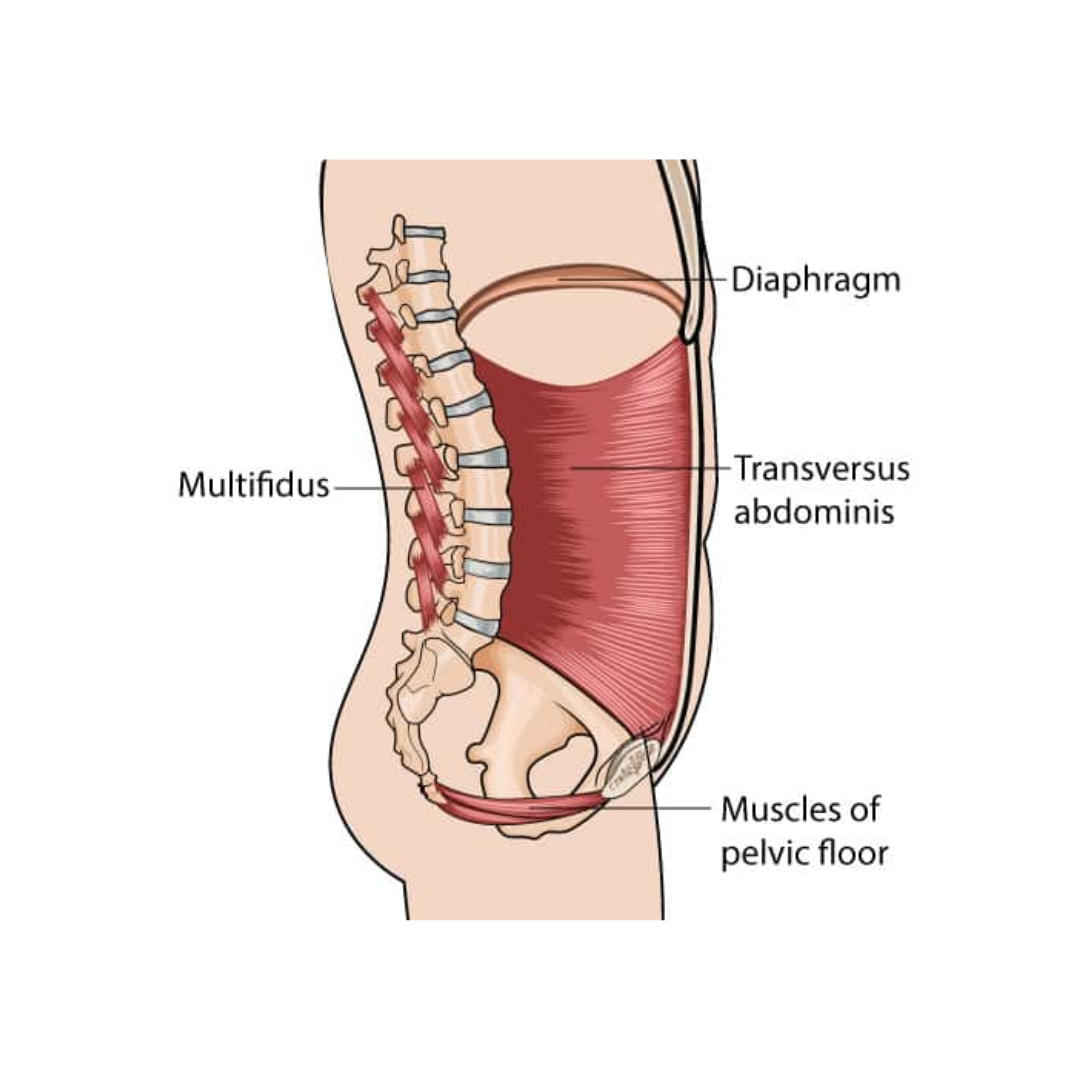
First, let's take a look at the abdominal cavity. This cavity is home to many important organs, including the reproductive organs, bladder, and intestines. The pelvic floor muscles, which support these organs, play a crucial role in maintaining proper alignment and functioning of the pelvic region. When we breathe shallowly or incorrectly, we can put excess strain on our pelvic floor muscles, leading to issues such as urinary incontinence, pelvic organ prolapse, and pelvic pain.
Diaphragmatic breathing
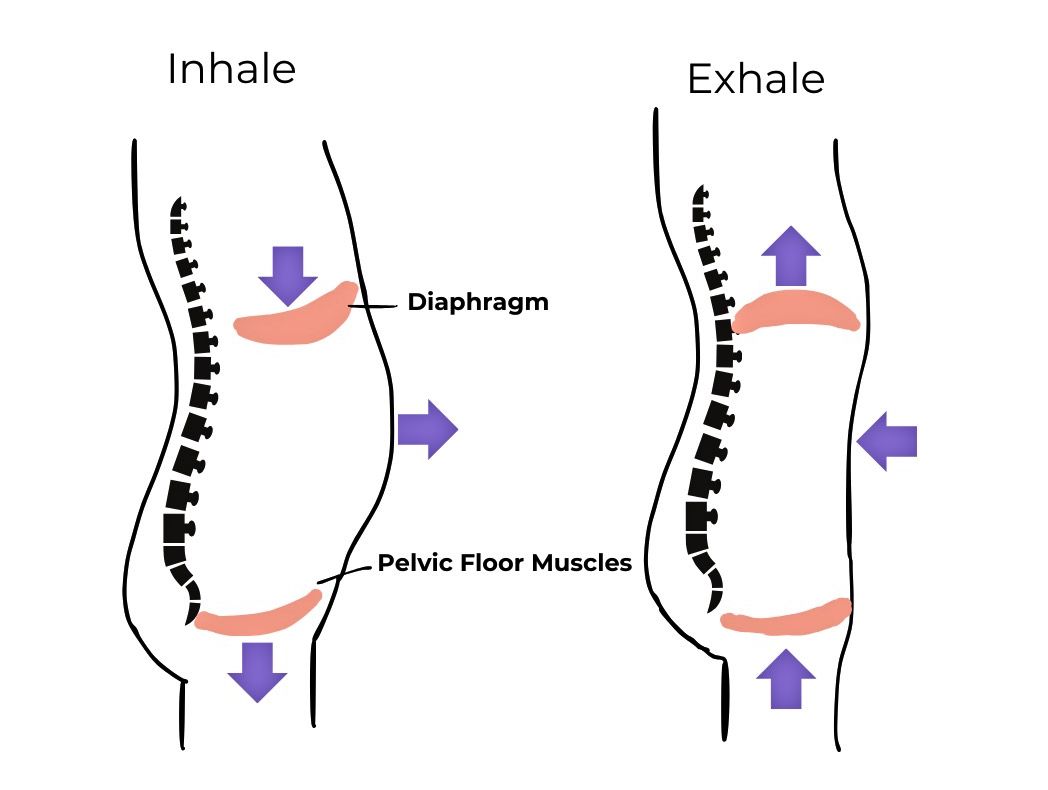
Diaphragmatic breathing, also known as belly breathing, is a technique that involves fully engaging the diaphragm muscle to draw air deep into the lungs. This type of breathing allows for maximum oxygen intake and relaxation of the body, including the pelvic floor muscles. When practiced regularly, diaphragmatic breathing can help to improve circulation, reduce stress, and strengthen the pelvic floor muscles.
Valsalva maneuver and reverse breathing

On the other hand, Valsalva maneuver and reverse breathing are breathing techniques that can be detrimental to pelvic health. Valsalva maneuver involves holding your breath while bearing down, which can increase intra-abdominal pressure and put strain on the pelvic floor muscles. Reverse breathing, on the other hand, involves sucking in the abdomen while inhaling and pushing it out while exhaling, which can also lead to pelvic floor dysfunction.
Interoception
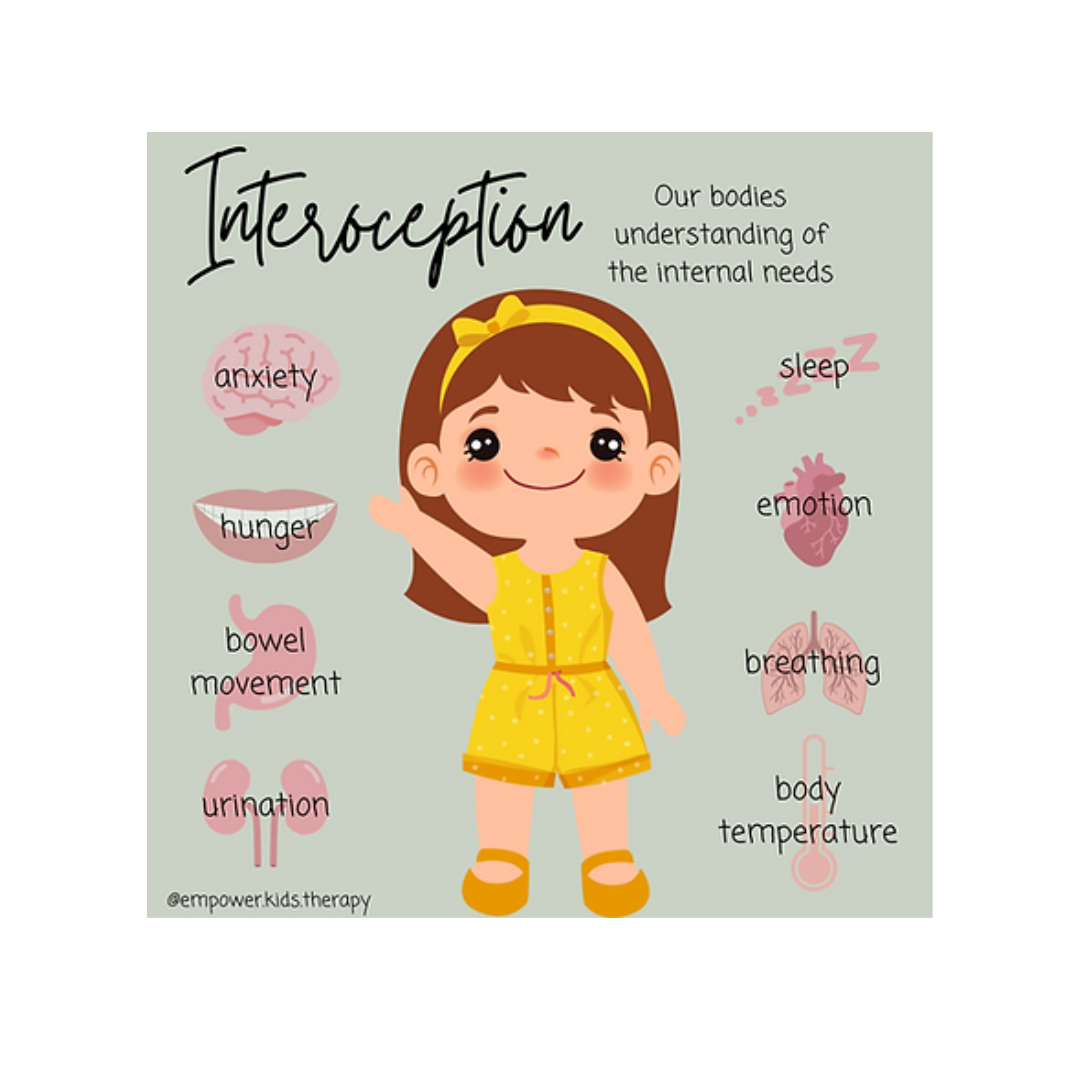
Interoception is the ability to sense and interpret signals from within the body. By becoming more aware of how we breathe and how it affects our pelvic health, we can improve our interoceptive awareness and make better choices for our overall well-being. Paying attention to the quality of our breath can help us to release tension, improve posture, and support the optimal functioning of our pelvic floor muscles.
In conclusion, the way we breathe can have a significant impact on our pelvic health. By incorporating diaphragmatic breathing into our daily routine, we can improve circulation, reduce stress, and support the strength and function of our pelvic floor muscles. Developing greater interoceptive awareness of our breath can help us to make better choices for our pelvic health and overall well-being. So take a deep breath, engage your diaphragm, and support your pelvic health today.
Christine Morgan | JUL 5, 2024
Share this blog post

 OfferingTree